
Top 3 Peak Climbing Packages in Nepal 2026–2027: Choose Your Ideal Peak
1st Sep, 2026

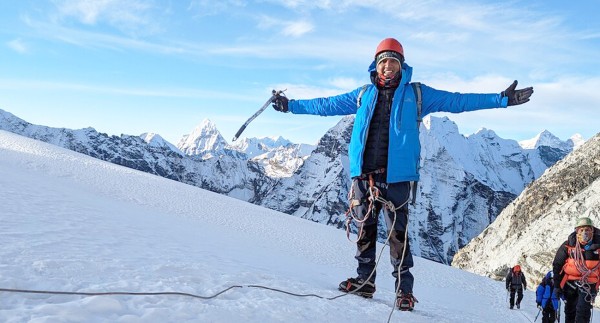
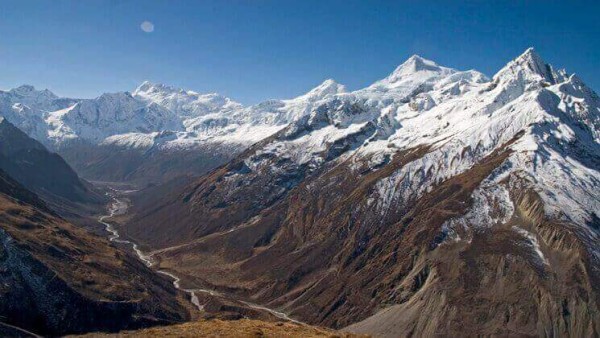
Nepal is one of the world's premier destinations for Himalayan trekking and peak climbing, offering an incredible combination of high-altitude adventure, dramatic mountain scenery, Sherpa culture, remote valleys, glaciers, and unforgettable summit experiences. For adventure seekers who want to go beyond ordinary trekking, peak climbing in Nepal provides the opportunity to stand on the summit of a Himalayan peak while experiencing the landscapes and cultures of the Nepal Himalayas.
Table of Contents
Among Nepal's many climbing opportunities, Mera Peak, Island Peak, and Lobuche Peak are three of the most popular choices for climbers looking for a challenging Himalayan adventure. Each peak offers a different experience in terms of altitude, technical difficulty, landscape, trekking route, and climbing objective.
For the 2026–2027 trekking and climbing seasons, choosing the right peak is important. A first-time peak climber may prefer a different route from an experienced trekker looking for more technical climbing. Your physical fitness, previous high-altitude experience, available time, preferred scenery, and climbing ambitions should all be considered before booking.
In this guide, we compare the Top 3 Peak Climbing Packages in Nepal 2026–2027 and explain what makes each climb special, who it is best suited for, what you can expect on the route, and how to choose your ideal Himalayan peak.
Why Choose Peak Climbing in Nepal?
Peak climbing in Nepal combines trekking and mountaineering into one extraordinary adventure. Instead of simply walking through the Himalayas, climbers gradually ascend through high mountain valleys, glaciers, snow-covered landscapes, and climbing terrain before attempting a summit.
Nepal's trekking peaks range from relatively straightforward climbs to technically demanding mountaineering objectives. Mountain Eco Treks describes Nepal's peak-climbing opportunities as ranging from less technical adventures to more challenging climbs, with routes graded under the French and Swiss Alpine climbing classification system.
A peak-climbing adventure can offer:
- High-altitude Himalayan trekking
- Summit climbing experience
- Spectacular views of 8,000-meter mountains
- Glacier and snow experience
- Sherpa culture and Buddhist heritage
- Remote mountain landscapes
- Professional climbing guidance
- Acclimatization and climbing training
- A major personal achievement
For many travelers, peak climbing in Nepal is also an excellent stepping stone toward future Himalayan expeditions.
Top 3 Peak Climbing Packages in Nepal 2026–2027
The three featured climbing packages are:
1. Mera Peak Climbing – 6,461 m
2. Island Peak Climbing – 6,189 m
3. Lobuche Peak Climbing – 6,119 m
Although all three are located in or around the Everest/Khumbu region, they provide distinctly different climbing experiences.
| Peak | Elevation | Main Region | Experience | Best For |
|---|---|---|---|---|
| Mera Peak | 6,461 m | Khumbu / Hinku Valley | High-altitude snow and glacier climb | Climbers wanting a high Himalayan summit |
| Island Peak | 6,189 m | Imja Valley, Khumbu | More technical climbing experience | Trekkers seeking technical mountaineering |
| Lobuche Peak | 6,119 m | Everest/Khumbu | Challenging summit adventure | Experienced trekkers and aspiring climbers |
Elevations and package characteristics are based on the referenced Mountain Eco Treks trip information.
1. Mera Peak Climbing – The Highest of the Three

Mera Peak – 6,461 m (21,190 ft) is the highest of these three featured trekking peaks and is an excellent choice for adventurers looking for a high-altitude Himalayan summit experience.
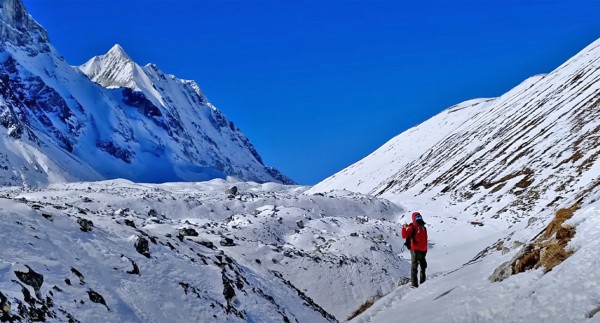
The peak lies in the remote Hinku and Inkhu Valley area of the Everest region, close to the high mountains of the eastern Khumbu. The route provides a combination of forested valleys, remote settlements, high mountain ridges, glaciers, and expansive Himalayan views.
Why Choose Mera Peak?
Mera Peak is particularly attractive to climbers who want to reach a high Himalayan summit while enjoying a more remote trekking environment.
The route takes climbers away from some of the busiest trekking trails and into quieter mountain landscapes. According to the referenced package, the climb is graded PD (Peu Difficile/Per Difficult) under the French/Swiss Alpine classification system, with snow and ice sections to negotiate.
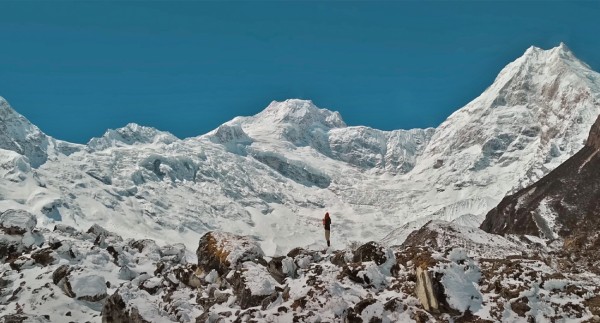
From the summit and upper sections of the route, climbers can enjoy impressive views toward Mount Everest, Lhotse, Ama Dablam, Baruntse, Makalu and other Himalayan peaks.
Mera Peak Highlights
- Summit altitude: 6,461 m
- Remote Hinku and Inkhu Valley landscapes
- High-altitude Himalayan adventure
- Snow and glacier climbing
- Spectacular Everest-region panorama
- Views toward Makalu and Baruntse
- Sherpa villages and mountain culture
- Suitable as preparation for future mountaineering objectives
Who Should Choose Mera Peak?
Mera Peak is ideal for:
- Trekkers seeking a high Himalayan summit
- Adventure travelers looking for a remote route
- Climbers preparing for larger expeditions
- Physically fit beginners with appropriate preparation
- Experienced trekkers wanting a higher-altitude challenge
However, being the highest of these three peaks does not mean the climb should be treated casually. High altitude, weather, snow conditions, glacier terrain, and summit-day endurance all require proper preparation.
Mera Peak Package Information
The referenced Mountain Eco Treks package describes Mera Peak as a guided trek and peak-climbing adventure with lodge and tent accommodation, Kathmandu–Lukla flights, meals, and a climbing itinerary incorporating acclimatization and preparation. The page currently lists March–May and September–November as its preferred climbing periods.
Learn more: Mera Peak Climbing Package
2. Island Peak Climbing – The Classic Everest Adventure
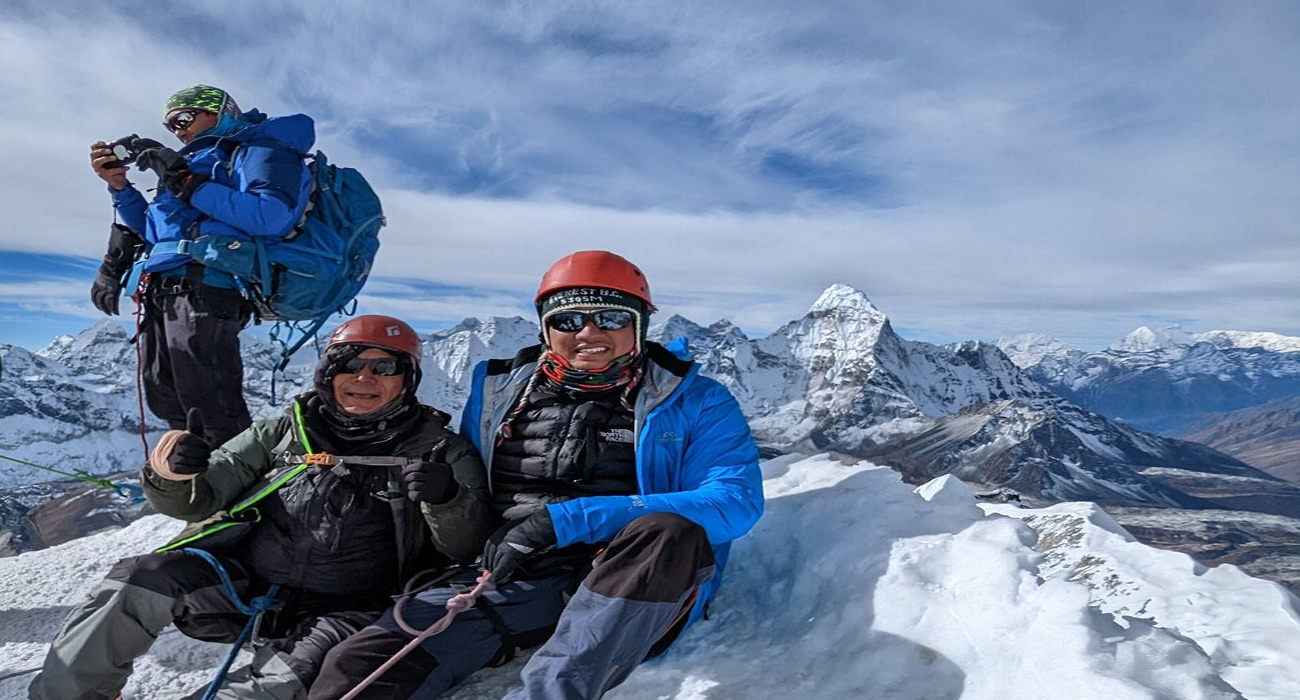
Island Peak, also known as Imja Tse, rises to 6,189 m (20,305 ft) and is one of Nepal's best-known trekking peaks. Located in the Imja Valley of the Khumbu region, it combines a classic Everest-region trek with a genuine Himalayan peak-climbing experience.
Island Peak is particularly appealing to trekkers who want to experience both the legendary Everest trekking route and technical climbing terrain.
Why Choose Island Peak?
One of the biggest advantages of Island Peak is the incredible combination of trekking and mountaineering.
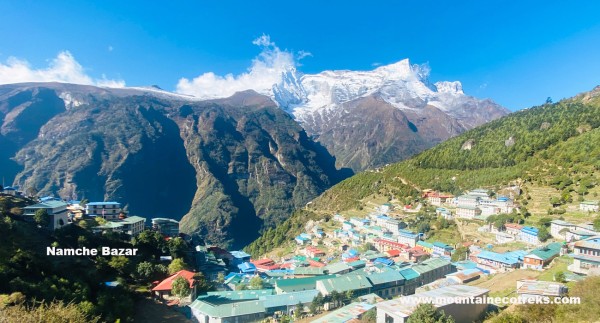
The referenced itinerary travels through the Everest region, including Lukla, Phakding, Namche Bazaar, Tengboche, Dingboche and the Imja Valley, while also incorporating acclimatization and preparation before the summit attempt.
The climb provides impressive views of some of the world's most famous mountains, including Everest, Lhotse, Nuptse, Ama Dablam and Makalu.
Island Peak Highlights
- Summit altitude: 6,189 m
- Also known as Imja Tse
- Located in the scenic Imja Valley
- Everest-region trekking experience
- Sherpa culture and Buddhist heritage
- Glacier and snow climbing
- Excellent views of Everest and surrounding peaks
- Acclimatization and climbing-practice days
- Exciting summit-day experience
Island Peak Climbing Difficulty
Island Peak provides a more mountaineering-oriented experience than an ordinary high-altitude trek. The referenced package describes the climb as PD+, with glacier, snow, ice, steep sections, and climbing equipment involved on summit day.
Because conditions can vary considerably, climbers should be physically prepared and receive appropriate instruction and guidance before attempting the summit.
Who Should Choose Island Peak?
Island Peak is a strong choice for:
- Trekkers who want to move into mountaineering
- Adventure travelers interested in technical climbing
- People who want an Everest-region trekking experience combined with a summit
- Climbers looking for practical high-altitude climbing experience
- Experienced trekkers preparing for future Himalayan expeditions
Island Peak Package Information
The referenced Mountain Eco Treks package is presented as an 18-day guided trekking and peak-climbing itinerary, with a maximum elevation of 6,189 m. It includes lodge and tent accommodation and Kathmandu–Lukla flights, with March–May and September–November listed as preferred seasons.
Learn more: Island Peak Climbing Package
3. Lobuche Peak Climbing – A Challenging Everest Region Summit

Lobuche Peak rises to 6,119 m in the Everest region and offers a challenging combination of high-altitude trekking and peak climbing.
The referenced package follows the classic Everest trekking corridor, allowing climbers to experience the Khumbu landscape and the Everest Base Camp area before continuing toward the climbing objective.
Why Choose Lobuche Peak?
Lobuche Peak is an excellent option for adventure travelers who want a demanding climbing experience while exploring the famous Everest region.
The route provides opportunities to experience Sagarmatha National Park, Sherpa villages, Everest Base Camp and Kala Patthar, depending on the itinerary, before the summit attempt.
The peak is associated with two summits, Lobuche East (6,119 m) and Lobuche West (6,145 m), with Lobuche East commonly featured in trekking-peak itineraries.
Lobuche Peak Highlights
- Summit altitude: 6,119 m
- Located in the Everest/Khumbu region
- Close to the Everest Base Camp trekking route
- Views of Everest, Lhotse, Nuptse and Ama Dablam
- Sherpa culture and Himalayan villages
- High-altitude climbing challenge
- Opportunity to combine Everest Base Camp trekking with peak climbing
- Excellent choice for aspiring mountaineers
Lobuche Peak Difficulty
Lobuche Peak is described by the referenced package as challenging and requiring good physical fitness and endurance. The climb involves high-altitude trekking and climbing terrain, making preparation especially important.
Who Should Choose Lobuche Peak?
Lobuche Peak is best suited to:
- Experienced trekkers
- Physically fit adventure travelers
- Climbers seeking a challenging Himalayan objective
- Trekkers who want to combine Everest Base Camp with peak climbing
- Mountaineers looking for additional high-altitude experience
Lobuche Peak Package Information
The referenced package is presented as a 16-day guided trek and peak-climbing itinerary, reaching 6,119 m. It uses lodge and tent accommodation and includes Kathmandu–Lukla flights. The listed climbing seasons are March–May and September–November.
Learn more: Lobuche Peak Climbing Package
Mera Peak vs Island Peak vs Lobuche Peak
Choosing between these three peaks can be difficult because each offers a different combination of altitude, technical challenge, trekking scenery, and mountain experience.
| Feature | Mera Peak | Island Peak | Lobuche Peak |
|---|---|---|---|
| Elevation | 6,461 m | 6,189 m | 6,119 m |
| Main attraction | High summit & remote wilderness | Classic Everest + climbing adventure | Challenging Everest-region climb |
| Location | Hinku/Inkhu Valley | Imja Valley | Khumbu/Everest region |
| Climbing style | High-altitude snow/ice | More technical climbing sections | Challenging climbing |
| Everest-region scenery | Excellent | Exceptional | Exceptional |
| Everest Base Camp connection | Route differs from classic EBC corridor | Included in referenced itinerary | Strong EBC connection |
| Best for | High-altitude adventure | Technical climbing experience | Challenging summit experience |
| Altitude challenge | Highest of the three | Very high | Very high |
The comparison is based on the three referenced package descriptions and their stated elevations, grades, routes and itineraries.
Which Peak Climbing Package Is Right for You?
There is no single “best” peak for every climber. The ideal choice depends on your experience, fitness, time, and climbing goals.
Choose Mera Peak If:
- You want the highest summit among these three options.
- You prefer a more remote Himalayan environment.
- You want spectacular views of several major Himalayan peaks.
- You are preparing for larger mountaineering objectives.
- You enjoy long, high-altitude trekking adventures.
Choose Island Peak If:
- You want a combination of Everest Base Camp-style trekking and peak climbing.
- You are interested in developing mountaineering skills.
- You want glacier, snow and technical climbing experience.
- You want dramatic views of Everest, Lhotse, Nuptse and Ama Dablam.
- You want a classic Khumbu climbing adventure.
Choose Lobuche Peak If:
- You want a challenging Everest-region climbing experience.
- You want to combine the Everest Base Camp area with peak climbing.
- You have good trekking experience and physical fitness.
- You want an ambitious Himalayan summit objective.
- You are interested in developing high-altitude mountaineering experience.
Best Time for Peak Climbing in Nepal 2026–2027
The two main climbing windows for these Everest-region peaks are generally spring and autumn.
Spring: March to May
Spring offers favorable conditions for trekking and climbing, with increasingly warmer temperatures at lower elevations and generally good mountain visibility.
It is a popular period for Himalayan climbing and expedition activities.
Autumn: September to November
Autumn is another excellent season after the monsoon. Clearer skies and stable mountain conditions can provide outstanding views and favorable trekking conditions.
Winter and Monsoon
Winter brings very cold conditions and increased snow at higher elevations, while the monsoon can bring rain, cloud, wet trails and flight disruptions at lower elevations.
For peak climbing, always check current weather, route conditions and professional guide recommendations before departure.
Peak Climbing Preparation for 2026–2027
A successful peak climb starts months before you arrive in Nepal.
1. Build Cardiovascular Fitness
Include activities such as:
- Hiking
- Running
- Cycling
- Stair climbing
- Long-distance walking
Gradually increase your endurance rather than trying to complete intense training immediately before your trip.
2. Practice Strength Training
Focus on:
- Legs
- Core
- Back
- Shoulders
- Balance
Strong legs are particularly important for long ascents and descents.
3. Gain Trekking Experience
If you have never trekked at altitude, consider completing a high-altitude trek before attempting a 6,000-meter peak.
4. Prepare for Altitude
All three climbs reach above 6,000 meters. Acclimatization is therefore a critical part of the itinerary.
Do not rush the ascent, and listen carefully to your guide regarding altitude-related symptoms.
5. Learn Basic Mountaineering Skills
Depending on the peak and conditions, climbers may need skills involving:
- Crampons
- Ice axe
- Harness
- Carabiners
- Fixed ropes
- Ascender systems
- Snow and ice travel
A professional climbing guide should provide appropriate instruction and supervision.
Peak Climbing Equipment Checklist
Proper equipment is essential for a safe and comfortable climb.
Essential Climbing Equipment
- Mountaineering boots
- Crampons
- Ice axe
- Climbing harness
- Carabiners
- Ascender/descending equipment as required
- Snow gaiters
- Climbing helmet
- Climbing gloves
- Warm inner gloves
- Waterproof shell jacket
- Waterproof trousers
- Down jacket
- Thermal base layers
- Warm trekking socks
- Mountaineering sunglasses
- Headlamp with spare batteries
- Four-season sleeping bag
- Trekking poles
- Backpack and daypack
- Water bottles or hydration system
- Sunscreen and lip balm
- Personal first-aid supplies
The referenced Island Peak and Lobuche Peak packages also list equipment such as plastic boots, crampons, ice axe, harness, carabiners, snow gaiters, sunglasses, warm gloves, windproof clothing, down jackets, sleeping bags, ropes and snow bars.
Some technical equipment may be available for hire or purchase in Kathmandu, depending on the operator and current availability.
Peak Climbing Permits in Nepal
Peak climbing requires the appropriate permissions and documentation. Permit requirements and fees can vary according to the peak, season, regulations and governing authority.
Nepal's Ministry of Culture, Tourism and Civil Aviation maintains official mountaineering and low-altitude expedition regulations and related information.
For example, government tourism statistics identify Mera Peak, Imja Tse (Island Peak), and Lobuje among peaks for which climbing permits have been issued through the Nepal Mountaineering Association system.
Before booking your 2026–2027 climb, ask your trekking agency to confirm:
- Peak climbing permit
- Sagarmatha National Park requirements
- Local entry requirements
- Guide requirements
- Insurance requirements
- Current permit fees
- Applicable government or association regulations
Because regulations can change, climbers should verify the latest requirements before travel rather than relying on old permit prices.
What Is Usually Included in a Peak Climbing Package?
A professional peak-climbing package may include:
- Airport arrival and departure assistance
- Kathmandu hotel accommodation
- Kathmandu–Lukla flights where applicable
- Lodge accommodation during trekking
- Camping accommodation at climbing sections
- Breakfast, lunch and dinner during the trek
- Licensed trekking guide
- Climbing guide
- Porters
- Climbing equipment where specified
- Peak climbing permit assistance
- National park or local permits where specified
- Trekking route planning
- Acclimatization schedule
- Necessary climbing logistics
The exact inclusions differ between packages, so always check the individual package before making a booking. The three referenced Mountain Eco Treks itineraries provide different trip structures and services.
What Is Usually Not Included?
Travelers should normally budget separately for expenses such as:
- International airfare
- Nepal tourist visa
- Travel and mountaineering insurance
- Personal expenses
- Extra accommodation caused by delays
- Additional meals outside the itinerary
- Personal climbing equipment
- Emergency evacuation
- Tips for guides, porters and staff
- Extra Lukla flights caused by itinerary changes
- Additional nights in Kathmandu
Always confirm the current inclusion and exclusion list with your trekking agency before booking.
How Much Does Peak Climbing in Nepal Cost?
The cost of peak climbing in Nepal 2026–2027 varies according to the peak, itinerary length, group size, permits, guide services, equipment, accommodation, flights, transportation and season.
Mera Peak, Island Peak and Lobuche Peak should not necessarily be compared only by their advertised package prices. A cheaper package may exclude important services, while a higher-priced package may include more comprehensive climbing logistics.
When comparing packages, look at:
- Total trip duration
- Peak permit
- Flights
- Accommodation
- Meals
- Climbing guide
- Porter service
- Climbing equipment
- Camping arrangements
- Insurance requirements
- Emergency support
- Acclimatization days
- Group size
For 2026–2027, request the latest price directly from the trekking company, because permit fees, flight costs, accommodation rates and operational expenses can change between seasons.
Safety and Altitude Considerations
Climbing above 6,000 meters is a serious undertaking. Even physically fit trekkers can experience altitude-related problems.
Important safety principles include:
- Ascend gradually.
- Follow the acclimatization schedule.
- Stay hydrated.
- Eat enough food.
- Avoid unnecessary alcohol.
- Tell your guide if you feel unwell.
- Never ignore serious altitude symptoms.
- Follow your climbing guide's instructions.
- Be prepared for weather changes.
- Carry appropriate clothing and equipment.
- Have comprehensive travel and mountaineering insurance.
The objective is not simply to reach the summit. Returning safely is part of a successful climb.
Why Book a Guided Peak Climbing Package?
A guided package can simplify the many logistical challenges involved in a Himalayan climb.
An experienced local team can assist with:
- Route planning
- Accommodation
- Flights
- Porters
- Permits
- Climbing logistics
- Acclimatization
- Weather decisions
- Mountain safety
- Emergency coordination
- Local cultural knowledge
This allows climbers to concentrate on fitness, acclimatization and the climbing experience rather than managing every logistical detail independently.
Why These Three Peaks Are Popular
Mera, Island and Lobuche are not popular for exactly the same reason.
Mera Peak attracts climbers who want a high summit and a more remote Himalayan adventure.
Island Peak attracts trekkers who want to combine the classic Khumbu experience with a more technical climbing challenge.
Lobuche Peak appeals to climbers looking for a challenging summit close to the famous Everest Base Camp route.
Government tourism statistics have also recorded significant climbing activity on Mera Peak, Imja Tse (Island Peak), and Lobuje, demonstrating their established position among Nepal's climbing peaks.
Frequently Asked Questions About Peak Climbing in Nepal
1. What are the best peak climbing packages in Nepal for 2026–2027?
Mera Peak, Island Peak and Lobuche Peak are three excellent options for climbers looking for 6,000-meter Himalayan adventures. The best choice depends on your experience, fitness, technical skills, preferred route and available time.
2. Which is the highest: Mera Peak, Island Peak or Lobuche Peak?
Among these three, Mera Peak is the highest at 6,461 meters, followed by Island Peak at 6,189 meters and Lobuche East at 6,119 meters.
3. Is Mera Peak good for beginners?
Mera Peak can be considered by well-prepared first-time peak climbers, but it should not be confused with an easy trek. Its high altitude, snow and glacier conditions require physical preparation, acclimatization, suitable equipment and professional guidance.
4. Is Island Peak more technical than Mera Peak?
Island Peak includes technical climbing sections and is particularly attractive to trekkers who want to develop mountaineering skills. The actual difficulty depends on weather, route conditions, snow and ice conditions, and the climber's experience.
5. Is Lobuche Peak difficult?
Lobuche Peak is a challenging high-altitude climb. Good fitness, endurance, acclimatization and appropriate climbing preparation are essential.
6. Can I combine Everest Base Camp with peak climbing?
Yes. Several Everest-region peak-climbing itineraries incorporate the Everest Base Camp trekking route. The referenced Island Peak and Lobuche Peak packages include significant sections of the classic Khumbu/Everest trekking corridor.
7. What is the best season for peak climbing in Nepal?
Spring and autumn are generally the preferred climbing seasons. The referenced packages list March–May and September–November.
8. Do I need previous mountaineering experience?
Previous climbing experience is highly valuable, particularly for more technical sections. However, suitability depends on the individual peak, current route conditions, your physical preparation and the professional assessment of your climbing guide.
9. What equipment do I need for peak climbing?
Typical equipment includes mountaineering boots, crampons, ice axe, harness, carabiners, helmet, warm clothing, down jacket, gloves, gaiters, sleeping bag and appropriate personal trekking equipment.
10. How do I choose the right peak?
Consider five major factors: altitude, technical difficulty, previous trekking/climbing experience, available time and personal goals. If you are unsure, discuss your experience and fitness with a professional climbing agency before booking.
Final Verdict: Which Nepal Peak Should You Choose?
Choosing the right peak can turn a difficult Himalayan journey into an unforgettable achievement.
Choose Mera Peak if you want:
The highest summit and a remote high-altitude Himalayan adventure.
Choose Island Peak if you want:
A classic Everest-region trek combined with a technical peak-climbing experience.
Choose Lobuche Peak if you want:
A challenging Everest-region summit with strong connections to the Everest Base Camp route.
There is no universally “best” peak. The best peak is the one that matches your experience, fitness, climbing skills, available time and Himalayan ambitions.
For the 2026–2027 climbing seasons, start preparing early, choose the appropriate itinerary, confirm current permit requirements and prices, invest in proper equipment, and select a professional climbing team with experienced guides.
Your Himalayan summit adventure could begin with one decision:
Mera Peak, Island Peak, or Lobuche Peak—which one will you choose?
Plan Your Peak Climbing Adventure in Nepal
Ready to climb above 6,000 meters in the Himalayas?
Explore the three featured packages:
Mera Peak Climbing – 6,461 m
View Mera Peak Climbing Package
Island Peak Climbing – 6,189 m
View Island Peak Climbing Package
Lobuche Peak Climbing – 6,119 m
View Lobuche Peak Climbing Package
Recent From Blog

19th Apr, 2019


23rd Dec, 2018

11th Jan, 2024

14th Jan, 2024

29th Jan, 2025

11th Feb, 2025

18th Feb, 2025

25th Feb, 2025

5th Apr, 2025
23rd Dec, 2025
9th May, 2026
12th Jul, 2026

13th Aug, 2026
13th Aug, 2026
13th Aug, 2026

16th Aug, 2026
20th Aug, 2026


11th Sep, 2026
24th Sep, 2026
25th Sep, 2026
5th Oct, 2026
6th Oct, 2026
11th Oct, 2026